Built by the team behind Seabrook, Westbay carries forward a philosophy that real estate development should do more than provide homes—it should create places that bring people closer to what matters.
A New Chapter in Sequim
Tucked at the base of the Olympic Mountains, where the bay meets the horizon, Westbay is more than a neighborhood—it's a vision for living well. Designed with walkability, sustainability, and quality of life at its core, this new addition to sunny Sequim invites you to experience a way of life that feels both fresh and familiar.
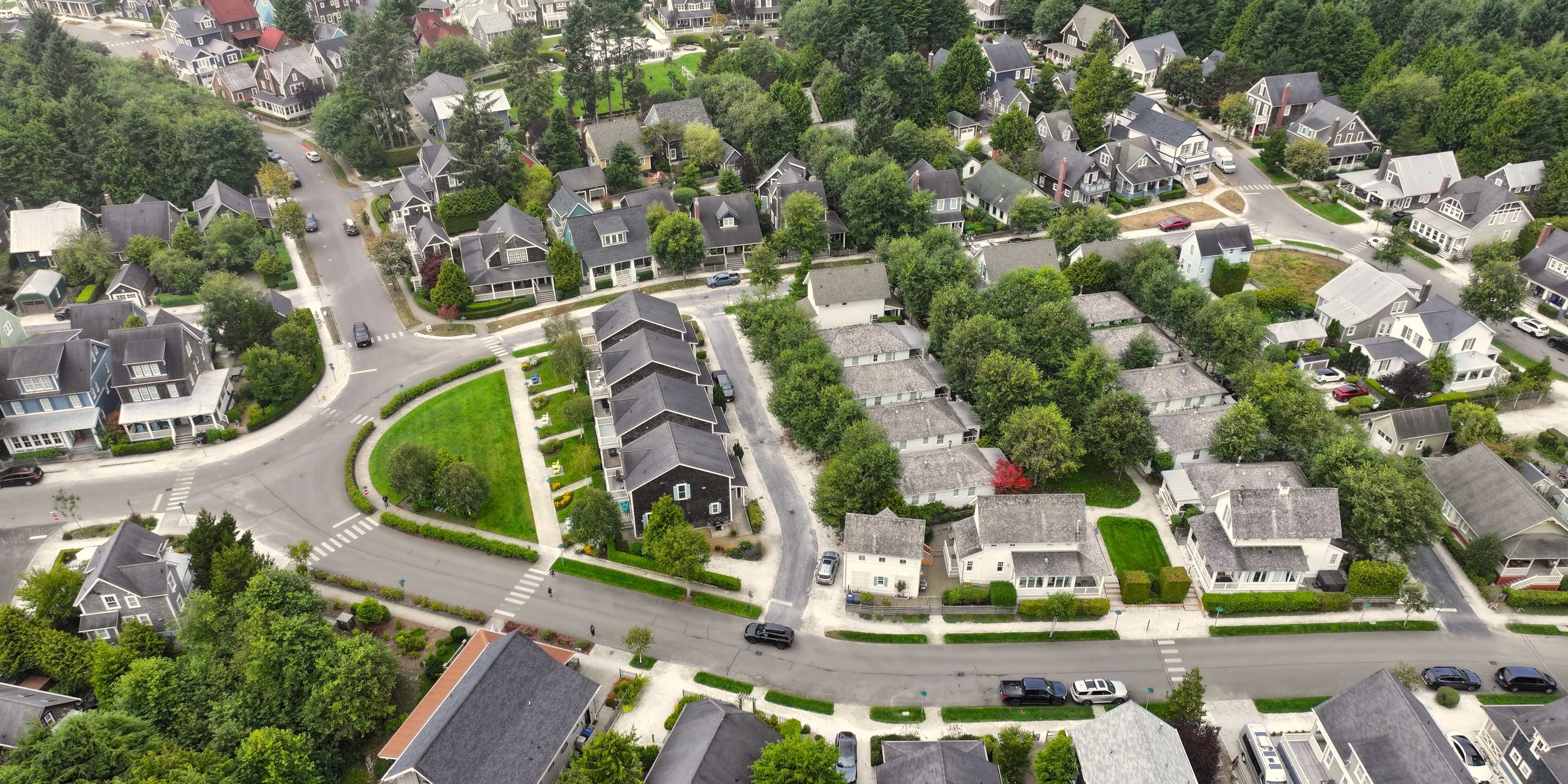
With a thoughtful mix of homes, cottages, townhomes, multi-family residences, and timeless architecture, Westbay is a place where front porches and green spaces foster connection. Where wooded trails weave from the forest out to the waterfront and where a vibrant retail hub along the bay anchors the community in daily moments of gathering and discovery.
Built by the team behind Seabrook, Westbay carries forward a philosophy that real estate development should do more than provide homes—it should create places that bring people closer to what matters.
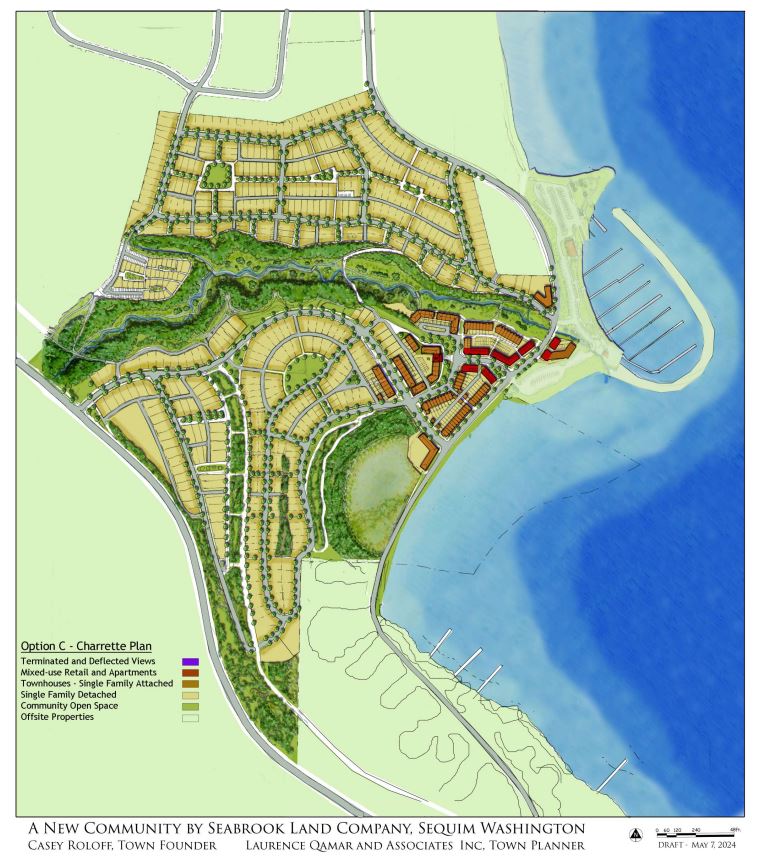
Our carefully planned community integrates residential areas with natural spaces, creating a seamless blend of homes, parks, and waterfront access. The master plan prioritizes walkability and preserves the natural beauty of the Olympic Peninsula.
There's a reason people are drawn to Sequim. With more sun-filled days than anywhere else in Western Washington, it's a natural backdrop for those seeking balance between adventure and retreat, solitude and community. This location is also ideally located an hour and a half from Seattle by ferry for those who want to stay connected to the city. Westbay builds on these qualities, offering a neighborhood that is both deeply connected to nature and effortlessly connected to everyday living.
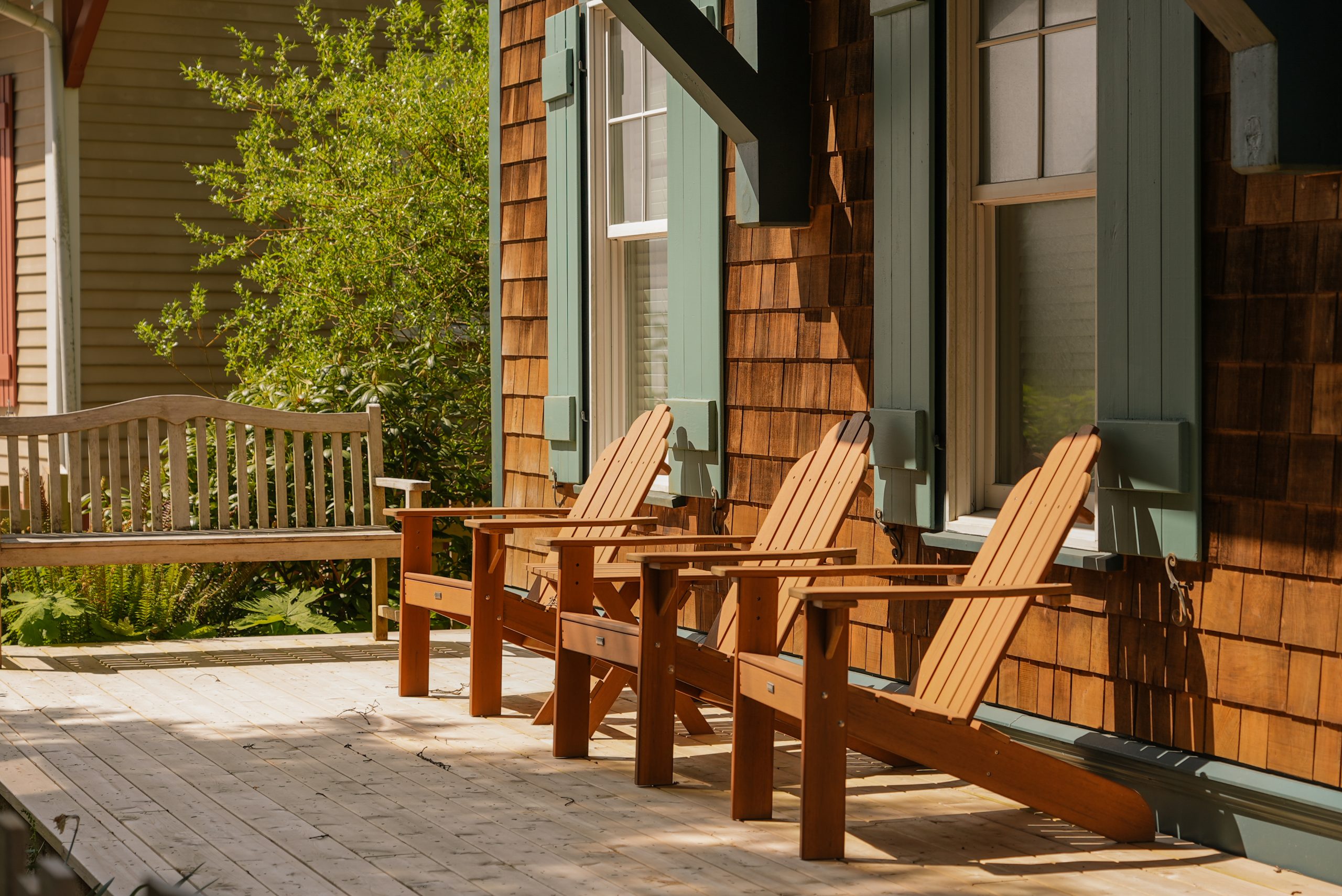
The best neighborhoods are the ones that feel like they've always been there. Westbay is designed with this in mind. Streets are scaled for people, not just cars. Sidewalks and tree-lined paths lead effortlessly from home to café, from park to waterfront.
Rather than following the typical patterns of development, Westbay embraces a human-centered approach—one that makes it easy to slow down, to walk instead of drive, to exchange familiar hellos at the coffee shop on your way to the shore.
Parks, trails, and waterfront paths weave throughout the community, creating seamless connections between home and outdoors.
Streets scaled for people with sidewalks and tree-lined paths leading from home to café, park to waterfront.
A bayside retail hub offering curated shops, dining, and gathering spaces designed to fit seamlessly into the landscape.
Nature is not an afterthought at Westbay—it's the foundation. Parks, trails, and waterfront paths weave throughout the community, creating a seamless connection between home and the outdoors. The architecture, too, reflects a sense of place—simple, enduring, and deeply rooted in the coastal character of the Pacific Northwest.
This new addition to the bay will be rooted in sustainable practices in form and function. Preserving and enhancing the most sensitive woodlands around the property will allow the creeks, estuaries, tidelands, and woodlands throughout Westbay to thrive and for its residents to enjoy living among them.
From the timeless craftsmanship of its homes to the thoughtful integration of green spaces, Westbay honors the land it's built on. It is a place designed for generations to come, where the surrounding beauty isn't just protected—it's celebrated.
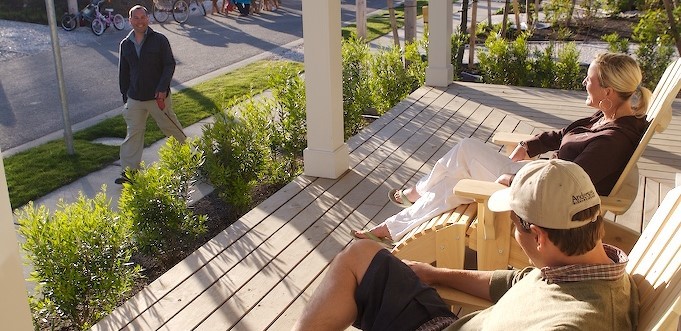
Westbay isn't just another development. It's a reimagining of what master-planned communities can be – bringing back the art of cultivating neighborhoods.
The team behind Westbay, led by Casey and Laura Roloff, is known for bringing vision to life in a way that feels effortless yet deeply intentional. Seabrook's success on the Washington coast has proven that neighborhoods can be built to encourage connection, support local businesses, and enrich everyday life. Now, that philosophy is coming to Sequim.
Westbay isn't new. It's a return to how we used to build new places – designed for people.
We understand that the Westbay neighborhood is generating questions, feedback, and concerns—and we welcome all of it. Our goal is to be transparent at every step of the process. This FAQ was created to clarify key topics and share what we know today. As the proposed new neighborhood evolves, we'll continue to update this page with new information, input from the community, and progress made through the City's review process.
Westbay is a walkable, mixed-use neighborhood proposed along Sequim Bay—designed to reflect the character, values, and natural beauty of the Northwest. Similar to our first community, the town of Seabrook, Westbay will offer a variety of homes, public trails, public parks, and small-scale local businesses, all connected by people-first design. Westbay will be a neighborhood meant to grow thoughtfully over time, with spaces open to all of Sequim and a long-term commitment to supporting the broader community through a dedicated foundation.
Sequim is a uniquely beautiful place with a strong local identity, rich natural surroundings, and a growing need for thoughtful housing. We saw an opportunity to create something that supports the community's long-term vision—a neighborhood that prioritizes walkability, parks, and connection to the land and water.
Westbay reflects its own setting and context. It will be smaller in scale than Seabrook, with a layout shaped by the bay, existing roadways, and nearby neighborhoods. While we bring lessons from Seabrook—like how to build vibrant, walkable places—Westbay is rooted in Sequim's needs and character, not meant to be a copy.
Our goal is to create a neighborhood that feels welcoming, connected, and lived in year-round. That means a mix of homes for different life stages, small-scale local retail, and public spaces where people can walk, gather, and be part of a broader community. Our goal is for Westbay to complement the City of Sequim, its beautiful main street and surrounding neighborhoods. In other words we want to fit into the beautiful surroundings and be a place where all Sequim residents feel welcome.
Walkable design gives people more choices in how they move, live, and connect. It reduces dependence on cars, improves safety, supports mental and physical health, and brings people closer to the places and experiences they value most. In Westbay, we're applying those principles to create streets and spaces that prioritize people over parking lots.
We see Westbay as a complement to what already makes Sequim great. The plan includes new trails, parks, and gathering spaces that connect with the surrounding area—not close it off. We're designing with the goal of enhancing the community, supporting nearby businesses, and creating shared value for years to come.
No. Parks, trails, streets, and gathering spaces in Westbay will be open to everyone. We believe a great neighborhood contributes to the whole city not just the people who live there.
There is an existing resort on the property that includes an RV park, cabins, and associated open space grass areas. Most of the remaining developable area has previously been cleared and has gravel roads across it. The remaining forest has been harvested multiple times over the years. At Seabrook, we transformed over-logged land into a healthy forested community. We are working with environmental consultants and forest management experts to create a forest stewardship plan balancing housing needs with habitat protection. That same level of care will guide Westbay, ensuring we protect and improve the 50+ acres of preserved forest land for future generations.
Westbay has submitted applications for a Master Plan Overlay and Rezone, which are currently under review by the City of Sequim. Our team has submitted a comprehensive application that was deemed counter-complete, and we're working closely with city staff and planners to refine the details. We're always open to feedback, and we welcome questions or suggestions from anyone who wants to learn more or share their perspective.
We've hosted several town hall meetings at the 7 Cedars and the Marina meeting hall, sharing the early vision for Westbay, answering questions, and inviting open feedback. We've also met with groups including the Sequim Chamber of Commerce, Clallam County Economic Development Council, Puget Sound Anglers – North Olympic Peninsula, Jamestown S'Klallam Tribe, Sequim Bay Yacht Club, Clallam County Fire District, City of Sequim Planning and Public Works, Port of Port Angeles, and Mariners Outlook homeowners, along with public meetings announced via local media and mailers.
For more than 20 years, we've been building Seabrook on the Washington coast—a town that's grown into a thriving, year-round community with over 600 homes, dozens of local businesses, and strong partnerships with nearby towns and agencies. Along the way, we've prioritized quality, character, and transparency, and earned a 92% homeowner satisfaction rate as a result. With Westbay, we're applying that same long-term commitment to a neighborhood designed specifically for Sequim.
Our team of professional traffic engineers worked closely with the City of Sequim to prepare a Traffic Impact Analysis modeling future vehicle trips and their effect on 17 existing intersections. The final analysis shows all existing city intersections will continue to operate within an acceptable level of service 10 years into build-out, and Westbay will not cause any intersection to fall below an acceptable level of service at full build-out in 20 years.
Yes. Within Westbay's boundaries, we are proposing sidewalks, crosswalks, public parallel parking, street trees, and additional stop signs on West Sequim Bay Road, funded by Westbay. Within the neighborhood, street design includes traffic-calming features like narrow lanes, raised crossings, and trail connections.
Westbay will connect to the city water system, which has ample capacity to serve our neighborhood and all others projected within the city over the next 20 years. The City's Water Availability Report and Water System Plan both confirm existing capacity, and the city is proactively expanding wells and reservoirs. A portion of existing wells on the Westbay property will also be abandoned, reducing demand on the shallow aquifer.
Yes, Westbay will connect to the existing sewer system and treatment plant, which has capacity per the City of Sequim General Sewer Plan. Property taxes and connection fees will help offset added demand on emergency services, and we will continue working with the city and emergency service providers directly.
We are responsible for funding the roads, utilities, stormwater systems, and public spaces that support Westbay—not the City or existing taxpayers. Future homeowners will also pay into an HOA Reserve Fund covering long-term upkeep of the neighborhood's private roads, parks, trails, and landscaping. In addition, new buildings will pay the City's Water and Sewer General Facility Charges, expected to total approximately $10.5 million.
Westbay will offer a variety of home types, including cottages, townhomes, and accessory dwelling units (ADUs)—serving full-time residents, retirees, multigenerational households, and more at different life stages and income levels.
ADUs provide an additional way for people to live in the neighborhood, even if they're not buying a primary home, creating opportunities for long-term rentals, extended family, caretakers, or smaller living arrangements.
Yes, some short-term rentals will be allowed. We anticipate most buyers will live in Westbay year-round, and we plan to bring the same award-winning, on-site property management approach established at Seabrook to owners who want to rent their home when they're not there.
By offering a variety of housing sizes and styles, Westbay creates more options without expanding into rural or agricultural land. Each home sale will also include a contribution to the Westbay Community Foundation, which can partner with local efforts around attainable housing.
No. Westbay will be fully open to the public—parks, streets, trails, and open spaces will all be accessible, just like any other neighborhood.
The plan includes a mix of public parks, natural open spaces, and pedestrian-friendly streets, along with improved access to the Olympic Discovery Trail and additional connections and parking near it.
Yes. The layout is intentionally designed to improve walkability and bikeability around the bay and through the neighborhood, for both residents and visitors, in close coordination with the City.
Yes. While plans are still being refined, the vision includes civic and commercial spaces for community interaction—places where neighbors can gather, shop, or enjoy a coffee together.
All public trails, parks, and gathering spaces will be clearly signed and maintained for community use, with maps and updates shared as the neighborhood develops.
As we've done at Seabrook, we plan to hire local contractors and tradespeople whenever possible, and additional jobs will follow through hospitality, property care, retail, and small business opportunities as the neighborhood grows.
The plan includes a small number of commercial spaces intended to serve the local community, not compete with downtown Sequim—think cafés, corner stores, or service-oriented shops.
Every new home will generate property taxes, utility connection fees, and impact fees that support police, fire, public works, schools, and other essential services, while homeowner contributions—not public funding—cover neighborhood operations.
A portion of proceeds from each home sale will go to the Westbay Community Foundation, a nonprofit fund dedicated to supporting local needs in Sequim, similar to the Seabrook foundation's contributions toward education, housing, hospitals, food banks, and youth programs.
No. The marina is owned and operated by the Port of Port Angeles. Westbay is a separate, nearby neighborhood, and we support the Port's long-term vision for the marina.
The neighborhood plan was designed to avoid all wetlands, streams, and their required buffers under the City of Sequim's critical areas code. Johnson Creek and the estuary are both protected features, with no new encroachments proposed.
Multiple studies were submitted to the City, including a critical areas report identifying wetlands and streams, a cultural resources assessment reviewed by the City and affected Tribes, geotechnical studies, and Phase I and Phase II environmental studies.
Stormwater will be treated and detained on-site per City and Washington State Department of Ecology requirements before release at pre-development rates, using green infrastructure, filtration, and careful grading to match or improve current runoff conditions.
No. The neighborhood will include trails and streets designed to improve access, including potential improvements to the Olympic Discovery Trail and other nearby connections.
The permit application is still under review by the City of Sequim, so construction cannot begin until all approvals are in place. Once approved, the neighborhood will be built in phases over many years.
Construction vehicles will be routed along Whitefeather Way to Highway 101 to avoid congestion on West Sequim Bay Road, with clear signage and safe haul routes coordinated with the City and contractors.
No. Westbay will be built in thoughtfully planned phases over time so infrastructure, services, and community spaces grow in step with the number of homes and residents.
Yes. We plan to hire local contractors and tradespeople, just as we've done at Seabrook, strengthening the local economy and bringing local craftsmanship to the neighborhood.
Ongoing care of roads, parks, trails, and shared spaces will be funded by the people who live there, similar to Seabrook, where over 600 homeowners contribute monthly—keeping the neighborhood self-sufficient without relying on the City or taxpayers.
The neighborhood will be overseen by a professional property management team and an HOA board, ensuring design standards are followed and resident concerns are addressed promptly.
Yes. Like Seabrook, Westbay will use a pattern book and design code to ensure long-term quality, character, and consistency. The design code was submitted to the city as part of the Master Plan Overlay application.
The neighborhood is being planned in coordination with local fire, police, and emergency services, including extending Mariners View Court as an emergency access point and adding traffic-calming features.
It means designing for people—not just cars. Streets are sized for slower speeds, homes are close to parks and gathering spaces, and daily errands can be done on foot or by bike.
Over 20 years, we've learned how to build neighborhoods that grow thoughtfully, connect with nature, and prioritize long-term quality—from trail systems to local businesses to design standards—while shaping everything to reflect Sequim specifically.
Typical suburban neighborhoods separate homes from parks, shops, and services, requiring driving for everything. Westbay blends homes, green space, and civic areas together to support daily life that's more walkable and sustainable—and walkable urban developments create more tax revenue relative to maintenance cost than suburban layouts.
The built environment influences how people interact—whether they meet neighbors, feel safe letting kids play outside, or stay active as they age. Thoughtful design can strengthen belonging and well-being.
Success means families walking to the park, neighbors gathering at a local shop, and homes filled with year-round residents who feel connected to the broader Sequim community.
Stay updated on Westbay's progress and be the first to know about new opportunities in this exceptional community.